Many travellers underestimate altitude. You can drive to some of the highest places in Pakistan in a few hours, so your body has little time to adjust. This guide covers the basics. It is general information, not medical advice — consult a doctor if you have health conditions.
In this guide
Altitudes of popular places
| Place | Approx. altitude |
|---|---|
| Islamabad | About 500 m |
| Murree | About 2,300 m |
| Naran | About 2,400 m |
| Karimabad (Hunza) | About 2,500 m |
| Skardu | About 2,230 m |
| Lake Saiful Muluk | About 3,200 m |
| Fairy Meadows | About 3,300 m |
| Babusar Top | About 4,170 m |
| Deosai Plains | Above 4,000 m |
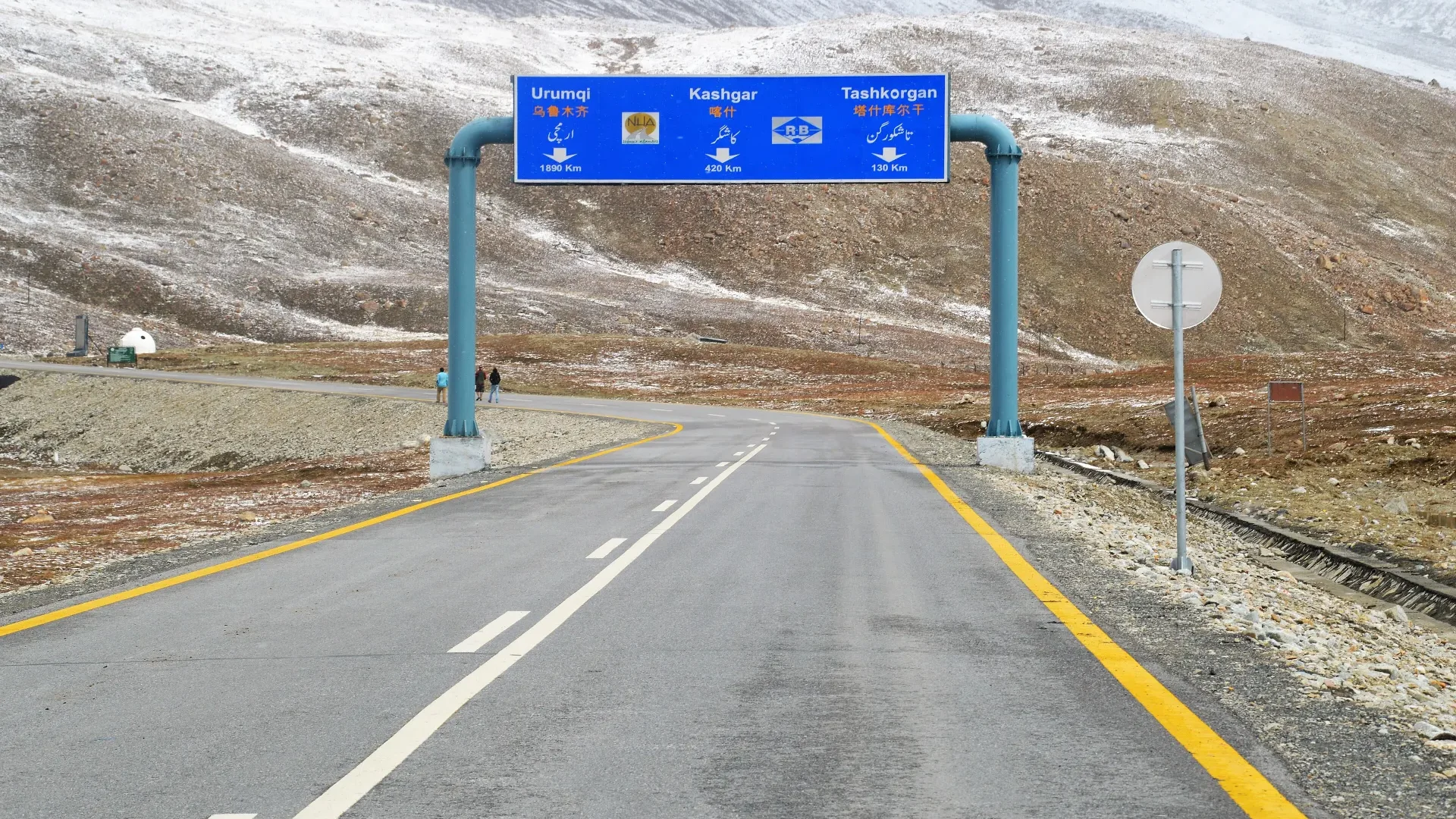
| Khunjerab Pass | 4,693 m |
Symptoms usually become more likely above about 2,500–3,000 m, especially if you ascend quickly.
Common symptoms (acute mountain sickness)
- Headache
- Nausea or loss of appetite
- Dizziness and fatigue
- Poor sleep
Serious warning signs
If you develop severe headache, confusion, loss of coordination, breathlessness at rest, a persistent wet cough or blue lips, descend immediately and seek medical help. These can indicate life-threatening conditions.
How to reduce your risk
- Ascend gradually. Spend a night or two at moderate height before going higher.
- “Climb high, sleep low.” Visit a high point for the day and sleep lower if you can.
- Drink plenty of water and eat light, regular meals.
- Avoid alcohol and sleeping pills.
- Take it slowly. Walk at a gentle pace, especially at 3,500 m and above.
- Limit time at the highest points such as Khunjerab and Deosai.
Some people use prescription medication for prevention; discuss this with a doctor before your trip.
Who should take extra care?
Children, older travellers and anyone with heart, lung or blood-pressure conditions should consult a doctor and travel more slowly.
How we plan for altitude
We build gradual itineraries and keep visits to the highest points short. Read about the places themselves: Khunjerab, Deosai, Fairy Meadows and Babusar Top.
Sample acclimatisation plans
| Trip | Suggested approach |
|---|---|
| Hunza to Khunjerab | Spend two nights in Karimabad or Gulmit first, then go for a short visit |
| Skardu to Deosai | Allow a day or two in Skardu; keep the plateau visit to a day |
| Fairy Meadows | Spend two nights at the meadow; do not rush to base camp |
| Naran to Babusar | Stay a night in Naran, then cross; do not linger at the top |
Simple habits that help
- Sleep well and avoid alcohol the night before.
- Eat small, regular meals.
- Avoid sudden exertion; walk slowly and breathe steadily.
Talk to a doctor if…
You are pregnant, have heart or lung disease, or have previously had altitude illness. Plan routes with lower sleeping altitudes where possible.
Frequently asked questions
Can children get altitude sickness?
Yes. Take extra care with children and go slowly.
What should I do if I feel unwell at altitude?
Rest, drink water and do not go higher. If symptoms worsen, descend and seek medical help.
Is Hunza too high?
Karimabad is around 2,500 m and most people are fine; Khunjerab is much higher.
Does fitness prevent altitude sickness?
Not reliably. Fit people can be affected; ascend gradually regardless.
Is bottled oxygen necessary?
It is not part of routine tourism. If you need it, descend and seek help.