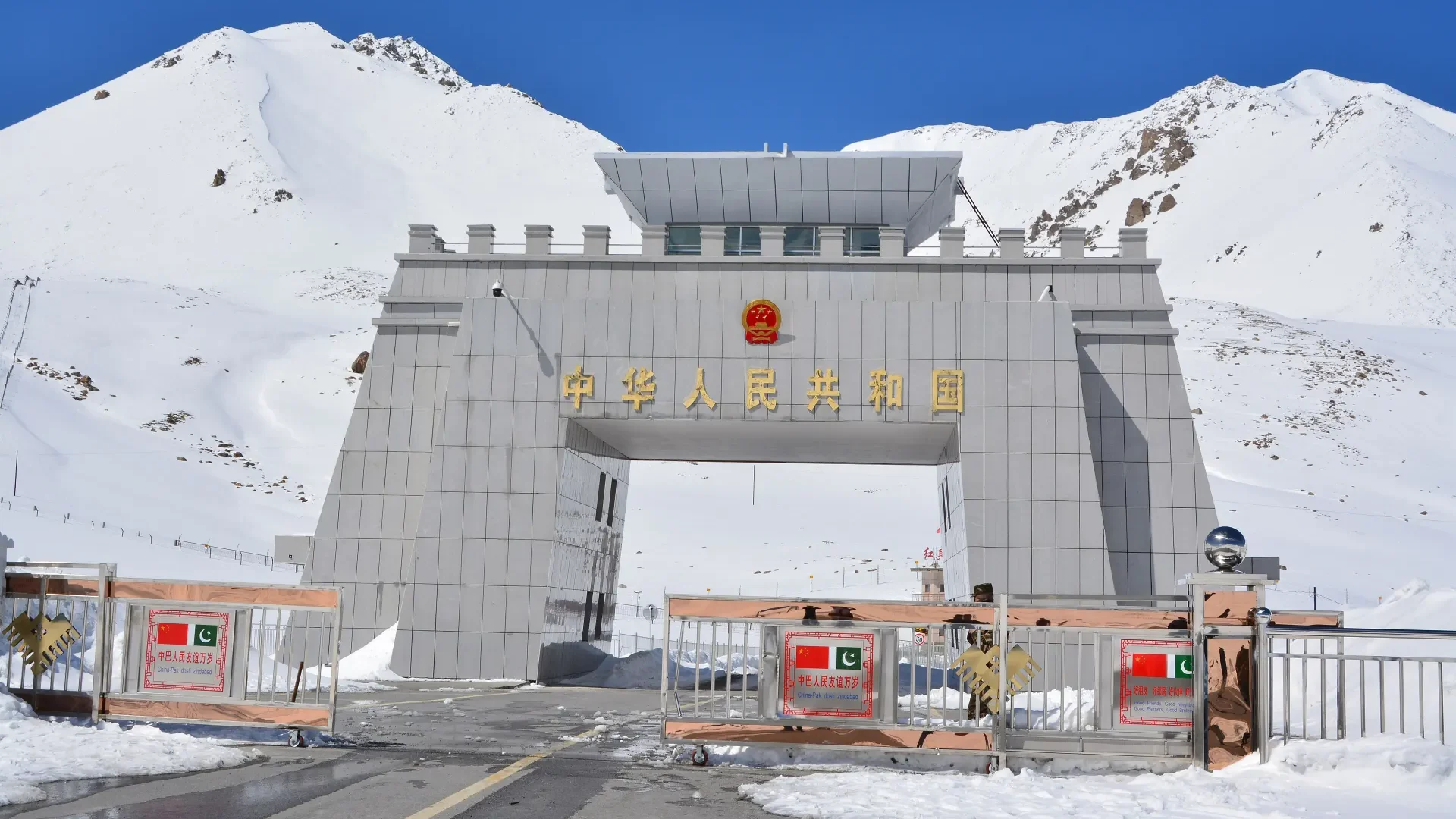
At 4,693 metres, the Khunjerab Pass is the highest point on the Karakoram Highway and the border between Pakistan and China. It sits inside Khunjerab National Park and is one of the highest paved international border crossings in the world. For many travellers it is the symbolic end of the road north.
In this guide
When is Khunjerab open to tourists?
Seasonal snow means the pass is generally open from spring to late autumn, and closed for the winter — often from around the end of November. Exact dates are set each year by the authorities and can change because of snow, landslides or border arrangements. We always confirm the current status before planning a day there.
| Time of year | Typical conditions |
|---|---|
| April–May | Opening period; patches of snow beside the road |
| June–September | Best weather and clearest road; busiest |
| October–November | Cold, quiet, early snow possible; closing soon |
| December–March | Usually closed to tourists |
How to get there
Khunjerab is roughly 4–5 hours’ drive from Karimabad each way, including stops. The road runs through Attabad, Gulmit, Passu and Sost, where there is a checkpoint. Carry your CNIC (Pakistanis) or passport and visa (visitors); registration and fees apply at Sost and for the national park. Foreign nationals should expect additional checks and confirm requirements in advance.
Altitude: take it seriously
The pass is above 4,600 m. Even healthy travellers may get headaches, breathlessness or dizziness. Drive up gradually, walk slowly, drink water and keep the visit short — 30 to 45 minutes at the top is plenty. Do not go if you feel unwell at lower elevations. Our guide to altitude sickness in northern Pakistan explains the warning signs.
What you will see
- The Pakistan–China border gate and the “zero point”.
- Open, high plateau grassland and, if you are lucky, Marco Polo sheep, ibex or yaks.
- Snow-covered peaks and a road that climbs in long switchbacks.
How to plan the day
- Leave Karimabad early (around 6–7 am) or stay in Gulmit or Passu the night before.
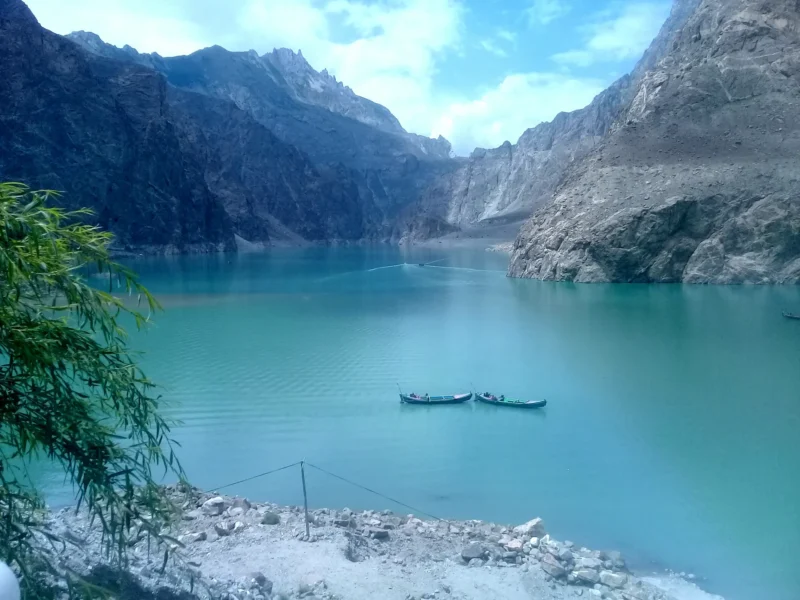
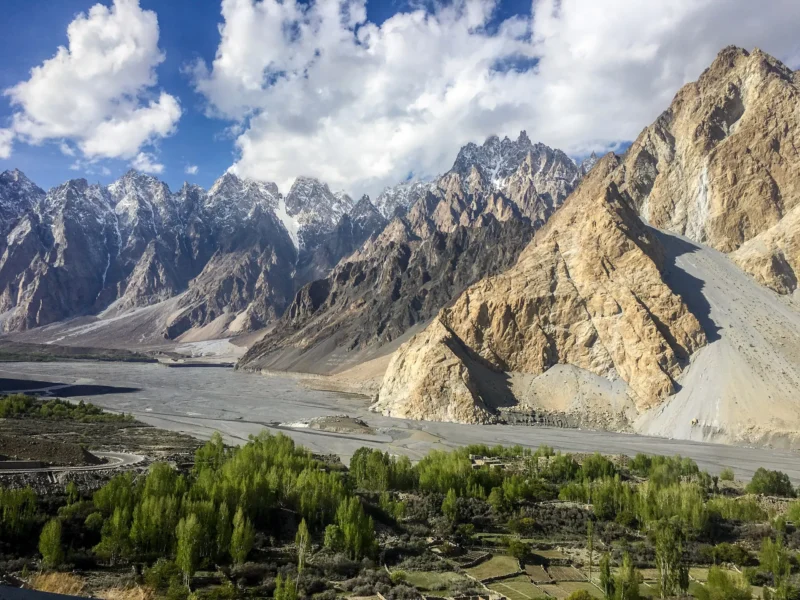
- Stop at Attabad Lake and the Passu Cones on the way up.
- Reach the top by early afternoon, before clouds and wind increase.
- Head back down so you are not driving the highway after dark.
It is a long day. With young children or elderly travellers, consider skipping it. See our Hunza guide for alternatives.
What to carry for the Khunjerab day
- Original ID (CNIC or passport) and any permits or registration papers.
- A warm jacket, hat, gloves and windproof layer — even in July.
- Sunscreen, sunglasses and lip balm; UV is strong at altitude.
- Water, snacks and a flask of tea.
- Cash for fees and food at Sost.
- Motion-sickness medicine if you are prone; the road has many bends.
Wildlife and landscape
Khunjerab National Park protects high-altitude species, including Marco Polo sheep, ibex and, more rarely, snow leopards. Sightings are never guaranteed. If you do see animals, keep a respectful distance and stay inside your vehicle where appropriate.
Who should skip Khunjerab
- Travellers with heart or lung conditions, unless a doctor agrees.
- Anyone who already feels unwell at moderate altitude.
- Families with very young children, where the long day and cold may outweigh the view.
If you skip it, Attabad, Passu and Borith Lake give you much of the Upper Hunza experience with less strain.
Frequently asked questions
Can foreigners visit Khunjerab Pass?
Foreign visitors generally can, with their passport and registration, but extra rules may apply. Confirm current requirements before you go.
How cold is Khunjerab in summer?
Even in July it can be near freezing at night and cold and windy by day. Bring a proper jacket, gloves and a hat.
Do I need a permit for Khunjerab?
Registration at Sost and a national-park fee are typical. Requirements can change, so we check before your trip.
How long should I stay at the top of Khunjerab?
Around 30–45 minutes is enough and lessens altitude effects.
Can I cross into China at Khunjerab?
The pass is an international border with strict rules. Tourists normally visit the Pakistani side only.