The short answer is May to October. The useful answer is more nuanced: each month suits different valleys, and a few key roads — Babusar Pass, the Saiful Muluk track, Deosai and Khunjerab — only open for part of the year.
Use this guide to match your dates to the right place. Dates below are typical patterns, not guarantees; snowfall, repairs and landslides shift them every year, so always check current conditions before you travel.
In this guide
The seasons at a glance
| Season | Months | Highlights | Watch out for |
|---|---|---|---|
| Spring | March–May | Blossom in Hunza and Swat, green valleys, quiet hotels | High passes and lakes still snowbound |
| Summer | June–August | Everything open: Babusar, Saiful Muluk, Deosai, Fairy Meadows | Crowds at Eid and weekends; monsoon rain and landslides in July–August |
| Autumn | September–October | Clear skies, golden poplars, the best mountain views | Cold nights; early snow closes high roads in late autumn |
| Winter | November–February | Snow in Murree, Malam Jabba and Kalam; frozen lakes in Skardu and Hunza | Very cold; many hotels and high roads closed |
Month by month
January and February
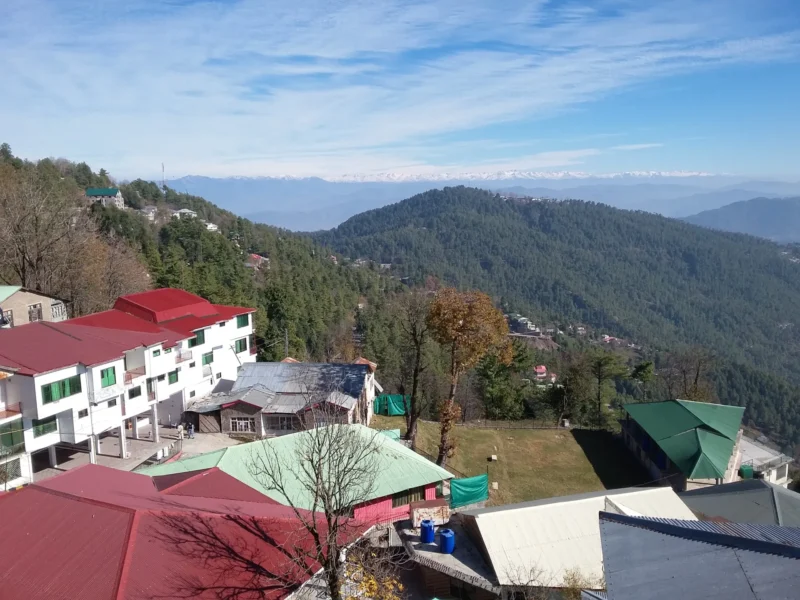
Deep winter. The Galiyat and Murree are busy with snow-seekers, and Malam Jabba in Swat runs its ski slopes. Hunza and Skardu are open for experienced winter travellers — frozen Attabad and snowy Katpana dunes are beautiful — but it is well below freezing at night and many hotels close. Khunjerab, Babusar, Deosai and Fairy Meadows are closed.
March
Lower valleys begin to warm. Late March can bring the first blossom to lower Hunza and Swat, though the main show is usually in April. A quiet month for the Salt Range and heritage day trips.
April
Blossom month. Cherry and apricot trees in Hunza usually peak in early to mid-April, and Skardu’s villages follow. Swat is green and fresh. Naran and the high lakes are still under snow.
May
One of the best all-round months: Hunza, Skardu, Swat, Chitral and Neelum are open and pleasant, with fewer visitors than summer. The Kalasha spring festival, Chilam Joshi, is usually held in mid-May. Babusar Pass and Saiful Muluk are often still closed.
June
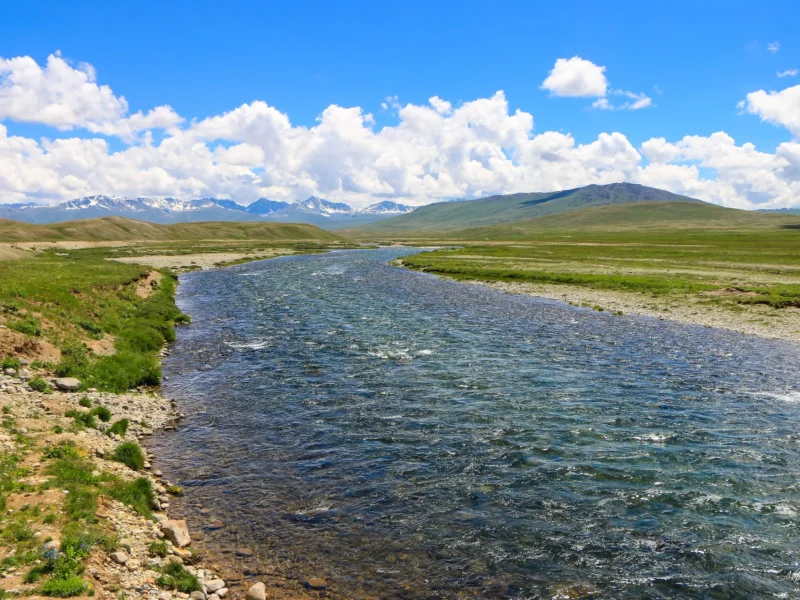
The high country opens. Babusar Pass usually opens to traffic around June, making the scenic Naran route to Gilgit-Baltistan possible. Naran fills up, Deosai typically opens from mid-June, and Fairy Meadows becomes accessible. Early June is a sweet spot before school holidays.
July
Peak summer: Deosai’s wildflowers, Ratti Gali and Rama lakes, and long days everywhere. The Shandur polo festival is usually held in early July. It is also the start of the monsoon, which can bring landslides on the Karakoram Highway and flash floods in Swat — keep a buffer day.
August
Similar to July, with school holidays and Independence Day weekends making popular spots very busy. Upper valleys such as Astore and Neelum are at their greenest.
September
Many travellers’ favourite month. Crowds thin, the monsoon ends, skies clear and every road is still open. Excellent for Hunza, Skardu, Deosai (early in the month), Fairy Meadows and Neelum.
October
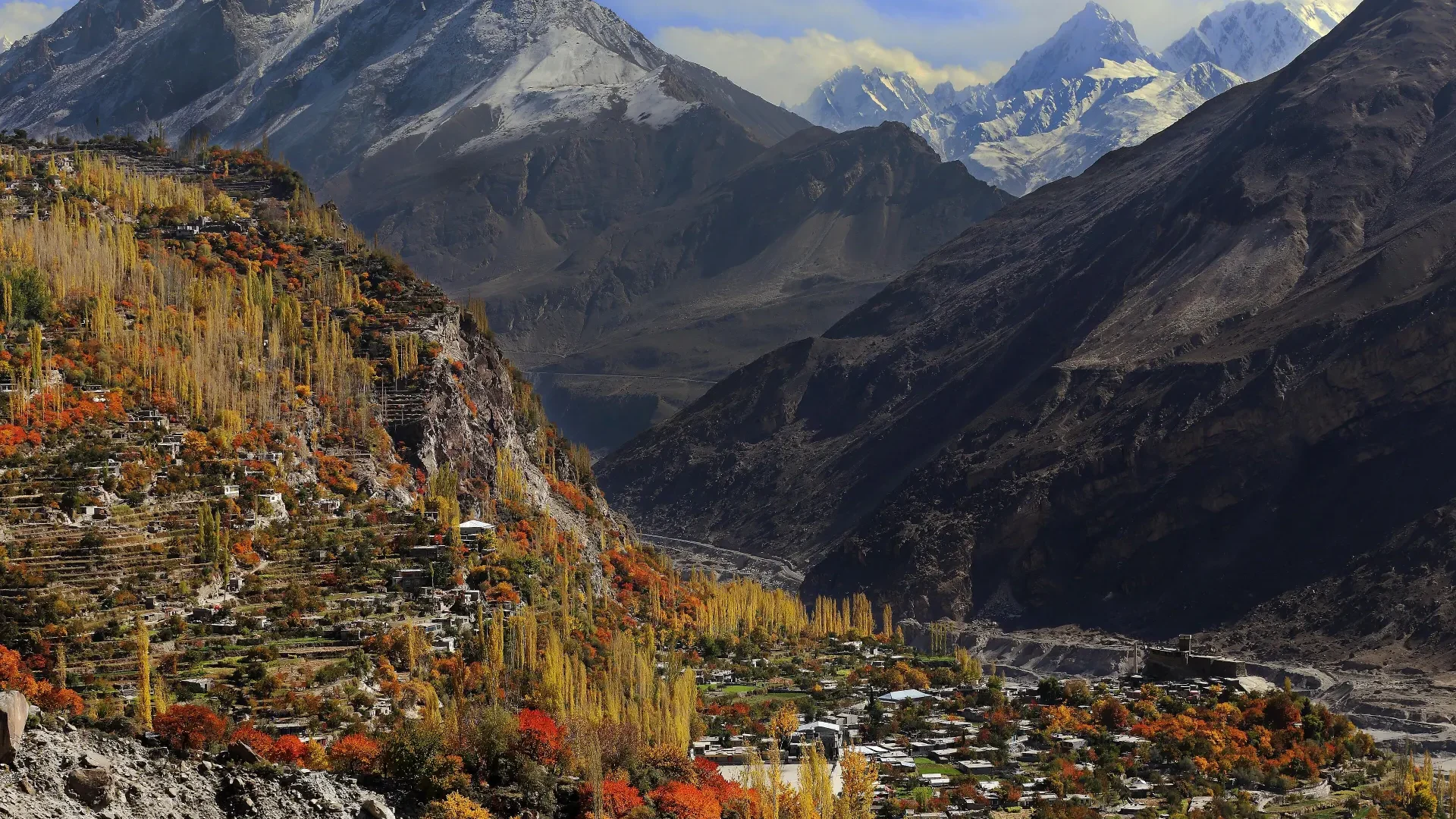
Autumn colour. Poplars and apricot trees turn gold, usually peaking in Hunza and Skardu in late October into early November. Nights are cold and the highest roads begin to close with the first heavy snow — Deosai often closes in early October.
November and December
Late autumn colour lingers in early November in Hunza; then winter sets in. Khunjerab usually closes to tourists around the end of November. December brings the Kalasha winter festival, Chaumos, in Chitral, and the first snow in the Galiyat.
Best time by destination
| Destination | Best months | Notes |
|---|---|---|
| Hunza | April–October | Blossom in April, gold in late October; Khunjerab usually closed in winter |
| Skardu | May–October | Deosai usually mid-June to September |
| Swat & Kalam | April–October | Mahodand usually June–September; Malam Jabba snow in winter |
| Naran & Kaghan | June–September | Babusar and Saiful Muluk typically open around June |
| Neelum | May–October | Ratti Gali usually July–September |
| Fairy Meadows | mid-June–September | Snowbound in winter |
| Chitral & Kalash | April–October | Festivals in May, August and December |
| Astore | June–September | Deosai crossing in summer only |
| Murree & Galiyat | All year | Spring and autumn are quietest; snow December–February |
| Sharan Forest | May–October | Jeep track may be snowbound in winter |
Tips for travelling in peak season
- Avoid Eid holidays and long weekends in Naran, Swat and Murree if you can — traffic can add hours.
- Book hotels early for June–August.
- Start early in the day to beat both traffic and afternoon weather.
- Build in a buffer day during the monsoon (July–August) on the Karakoram Highway.
Last reviewed: October 2026. Openings for Babusar, Deosai, Khunjerab and other high routes are announced by the authorities each year — we check them before confirming any trip.
Frequently asked questions
What is the best month to visit Northern Pakistan?
September is hard to beat: clear skies, open roads and fewer crowds. May and June are also excellent. Choose April for blossom and late October for autumn colours.
Can I visit Northern Pakistan in winter?
Yes, but choose carefully. Murree, the Galiyat and Malam Jabba are popular for snow; Hunza and Skardu are open but very cold. Many high roads and lakes are closed.
When does Babusar Pass open?
Usually around June, after snow clearance, and it stays open until autumn snowfall, often in October. Exact dates vary each year.