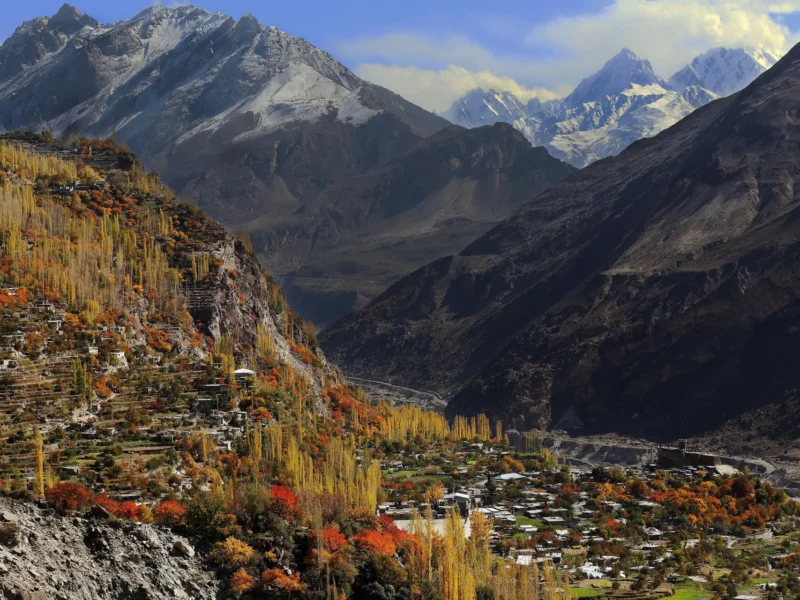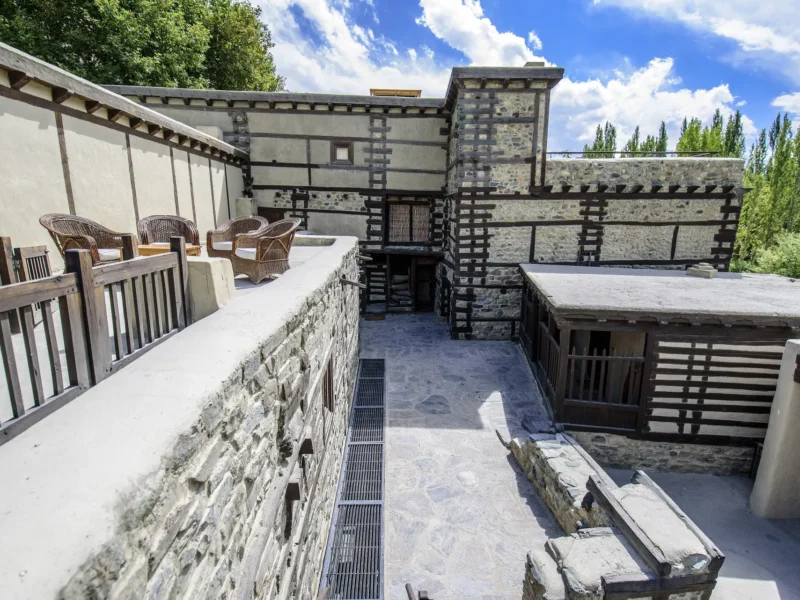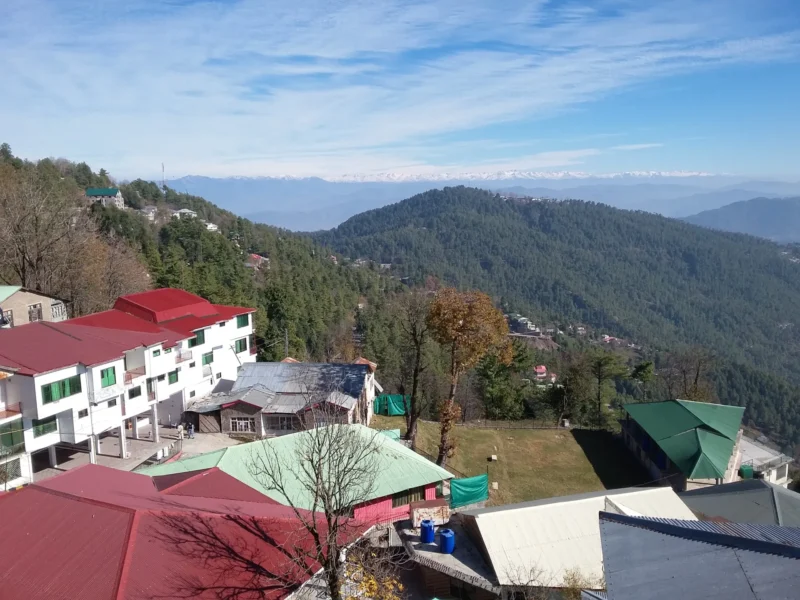
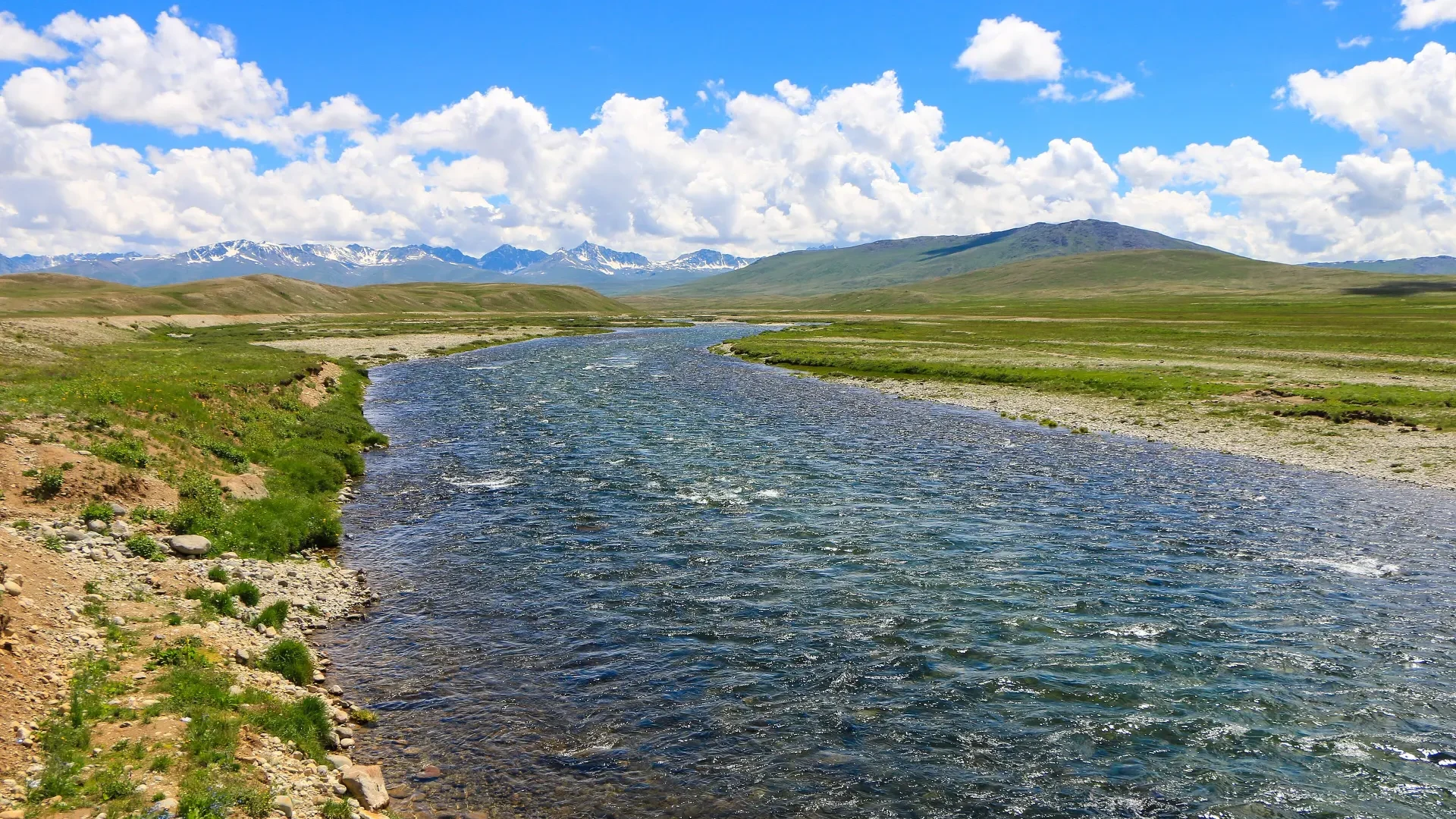
Mountain weather changes quickly. A warm afternoon in Karimabad can turn into a freezing evening at Eagle’s Nest, and a sunny morning on Deosai can end in hail. The secret is not packing more — it is packing layers and a few essentials you can’t buy on the road.
In this guide
The essentials (any season)
- ID: CNIC for Pakistanis; passport and visa for visitors. You will be asked at checkpoints and some parks.
- Cash: ATMs are limited and sometimes offline in remote valleys; jeeps, porters and small restaurants rarely take cards.
- Phone, charger and power bank: electricity can be limited in remote places.
- Medicines you take regularly, plus a small first-aid kit.
- Sun protection: sunscreen, sunglasses, lip balm and a hat — the sun is strong at altitude.
- Water bottle to refill with filtered or boiled water.
- Small daypack for walks and jeep days.
- Torch or headlamp.
Clothing: think in layers
| Layer | What to bring |
|---|---|
| Base | Breathable T-shirts or shalwar kameez; thermal top and bottoms for cold months |
| Middle | Fleece or warm sweater |
| Outer | Windproof, ideally waterproof jacket; down jacket for high places or cold seasons |
| Bottoms | Comfortable trousers; avoid jeans for hikes (they stay wet) |
| Feet | Comfortable walking shoes with grip; sandals for hotels; warm socks |
| Extras | Warm hat, gloves and a scarf or shawl |
Dress modestly. Northern Pakistan is conservative, especially in rural areas. Loose, covering clothes are respectful and practical; women may want a scarf or dupatta for villages and religious sites.
By season
Spring (March–May)
Mild days and cold nights. Bring a fleece and a warm jacket, plus a light rain layer. Snow lingers higher up.
Summer (June–August)
Hot in Chilas and the lower valleys, cool in the mountains and cold at high points like Babusar Top, Khunjerab and Deosai. Pack light clothes and a warm jacket. A rain jacket helps in the monsoon.
Autumn (September–November)
Clear and crisp. Warm layers for evenings; a down jacket by late October.
Winter (December–February)
Proper winter clothing: thermals, down jacket, waterproof boots with grip, gloves and a warm hat. For snow trips to Murree or Malam Jabba, bring spare socks and gloves.
Extra for hikes and remote stays
Heading to Fairy Meadows, Rama Lake, Ratti Gali or a camping night?
- Light hiking shoes or boots, broken in
- A warm sleeping layer — nights at 3,000 m+ are cold even in summer
- Snacks and electrolyte sachets
- Toilet paper and hand sanitiser
- A small bag to carry your rubbish back down
For jeep days
Jeep tracks are dusty and bumpy. A buff or scarf for dust, motion-sickness medicine if needed, and a soft bag rather than a hard suitcase.
Things people often forget
- A universal plug adapter (Pakistani sockets vary)
- Downloaded maps, music and entertainment — signal is patchy
- A pen for checkpoint forms
- Earplugs for noisy hotels in busy towns
- Copies of your ID stored on your phone
Travelling with children? See our family trip guide. Not sure what the weather will be? Check our month-by-month guide.
Frequently asked questions
Do I need a heavy jacket in summer?
Yes, if you visit high points such as Babusar Top, Khunjerab, Deosai or Fairy Meadows. It can be cold and windy even in July.
Can I buy warm clothes in the north?
Yes, in larger towns, but choice is limited and you may need them before you arrive. Bring at least one warm layer.
What should women wear in Northern Pakistan?
Loose, modest clothing such as shalwar kameez with a dupatta or scarf is respectful and comfortable. Western travellers often wear long tops and trousers.