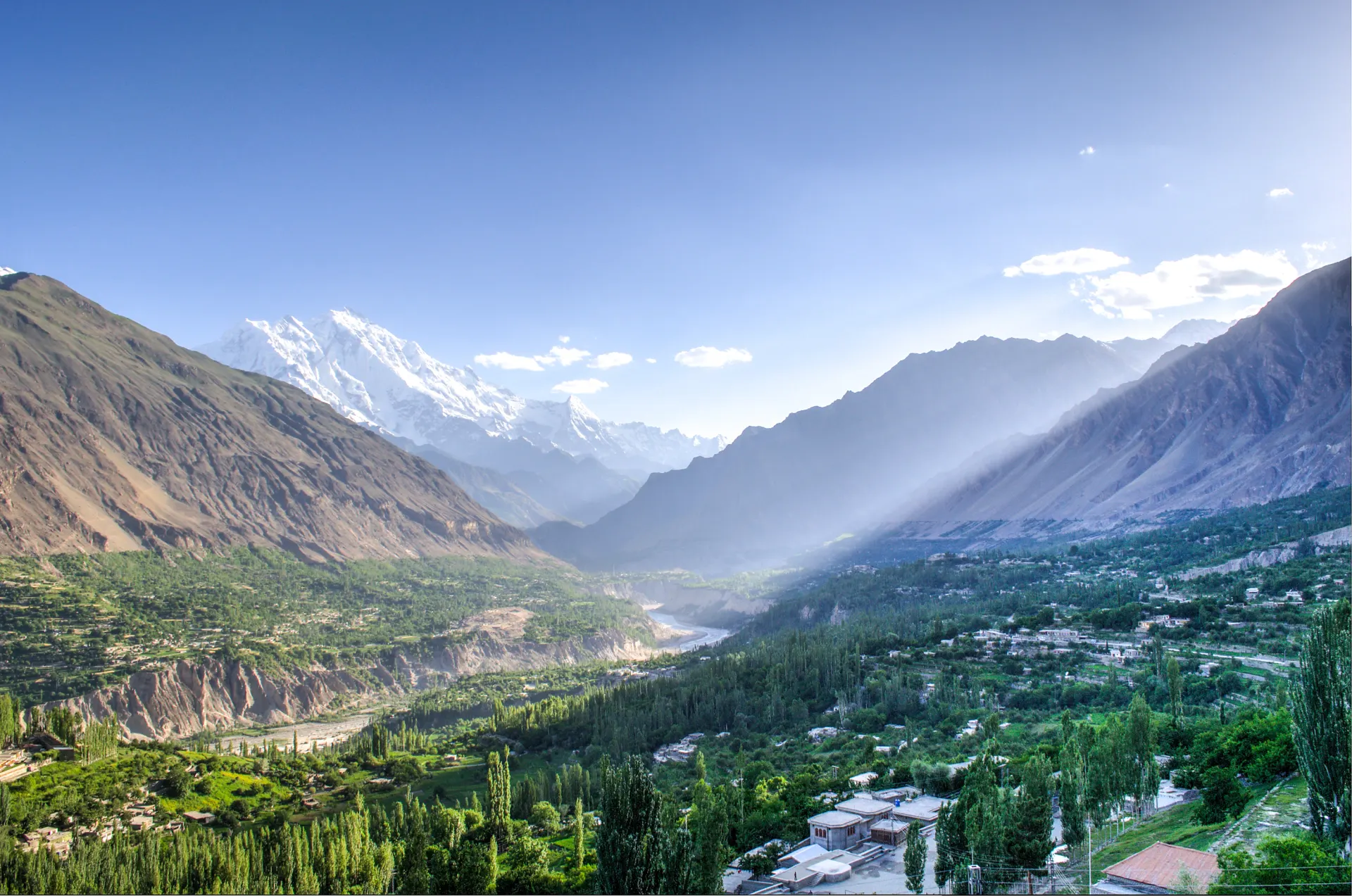
Hunza Valley with terraced villages and snow-covered peaks under a clear sky

Gilgit-Baltistan · Karakoram

Hunza Valley Tours & Travel Guide

Ancient forts above terraced orchards, turquoise Attabad Lake and the Karakoram Highway climbing to China. Here is how to plan Hunza well — and how we tailor it to you.

Best time

April–October; blossom in April, gold in late October

Ideal stay

5–7 days from Islamabad by road; 4–5 if you fly to Gilgit

Altitude

Karimabad about 2,500 m; Khunjerab Pass 4,693 m

From Islamabad

About 600 km on the Karakoram Highway

Hunza Valley · Photo: FaizanAhmad, CC BY-SA 3.0

About Hunza

Why Hunza is the north’s best first trip

Hunza sits on the Karakoram Highway in Gilgit-Baltistan, ringed by peaks that include Rakaposhi, Ultar Sar and the sharp spire of Ladyfinger. The main town, Karimabad, climbs a hillside of apricot and cherry orchards below Baltit Fort, and across the river lies Nagar, Hunza’s old rival kingdom.

North of Karimabad the valley becomes Gojal (Upper Hunza): Attabad Lake, Gulmit, the saw-toothed Passu Cones and, at the end of the road, the Khunjerab Pass on the China border.

What makes Hunza easy to love is the mix. You get dramatic mountain scenery without having to trek, comfortable hotels in most budgets, welcoming communities, and short drives between sights once you arrive. It suits first-timers, families and couples equally well — as long as you plan for the long drive to get there.

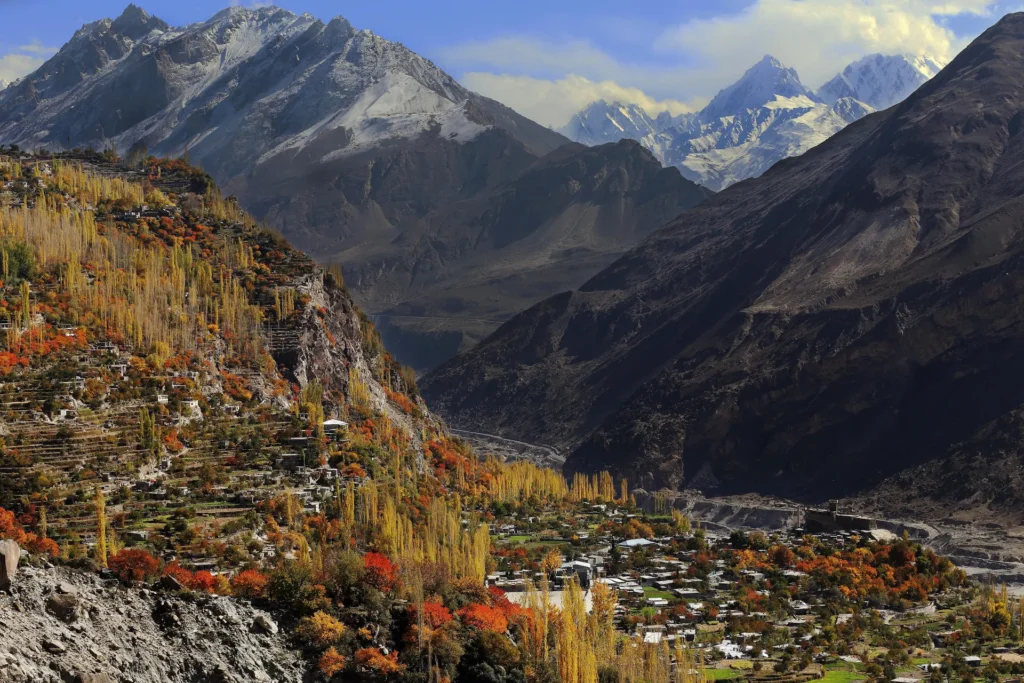
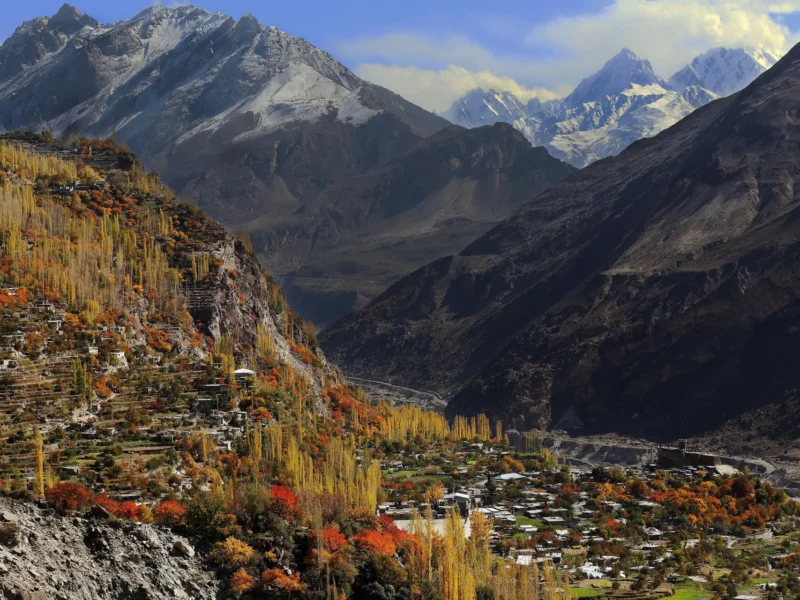
Altit Fort above Hunza's autumn poplars and apricot orchards
Altit Fort, Hunza · Photo: Usmanmiski, CC BY-SA 3.0

Top attractions

The places most people come for

Central Hunza, Nagar and Gojal are all within a few hours of each other, so a well-planned trip covers them comfortably.

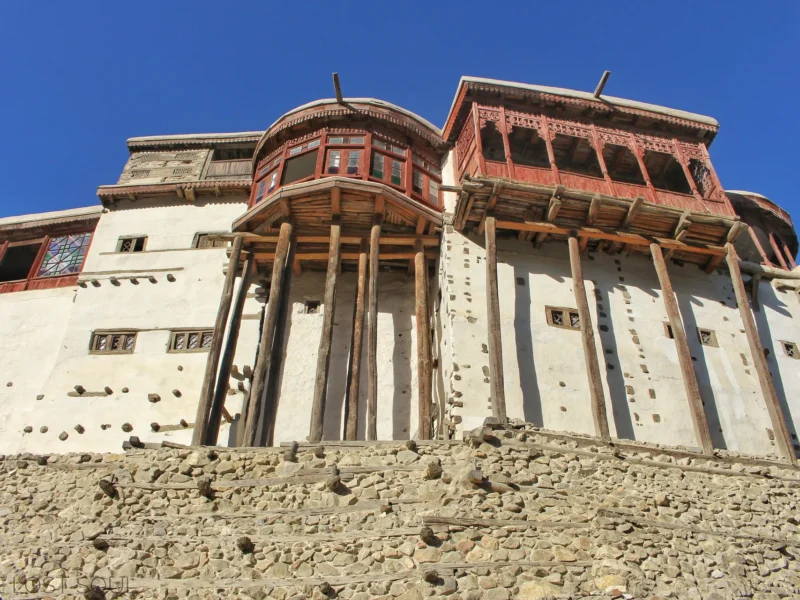
Baltit Fort in Karimabad, Hunza, with its wooden balconies

Baltit Fort, Karimabad

The former royal residence watching over the valley, restored and run as a museum. Go early for the best light and fewer people, then walk down through the old lanes of Karimabad.

Altit Fort above Hunza's autumn poplars and apricot orchards

Altit Fort & Royal Garden

Older than Baltit and perched above a sheer drop to the Hunza River. The village around it and the shaded royal garden are some of the most peaceful spots in the valley.

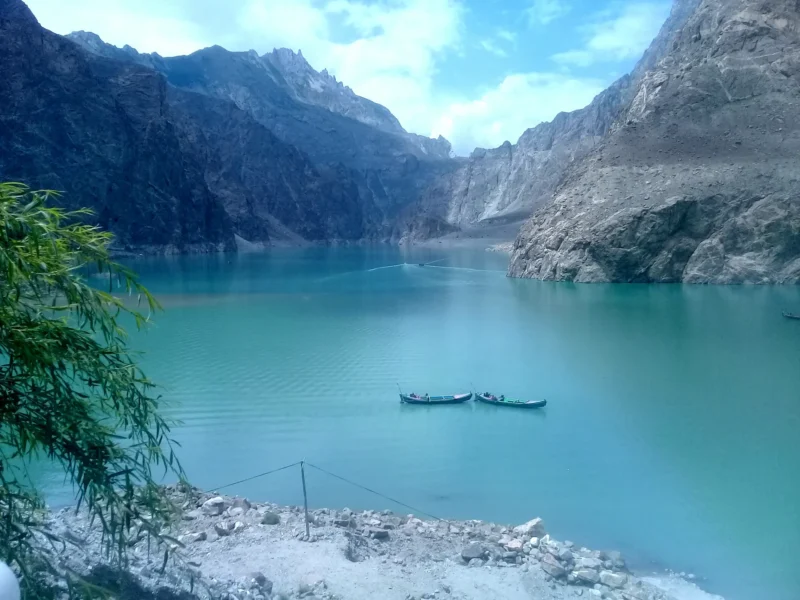
Turquoise water of Attabad Lake between steep Karakoram cliffs

Attabad Lake

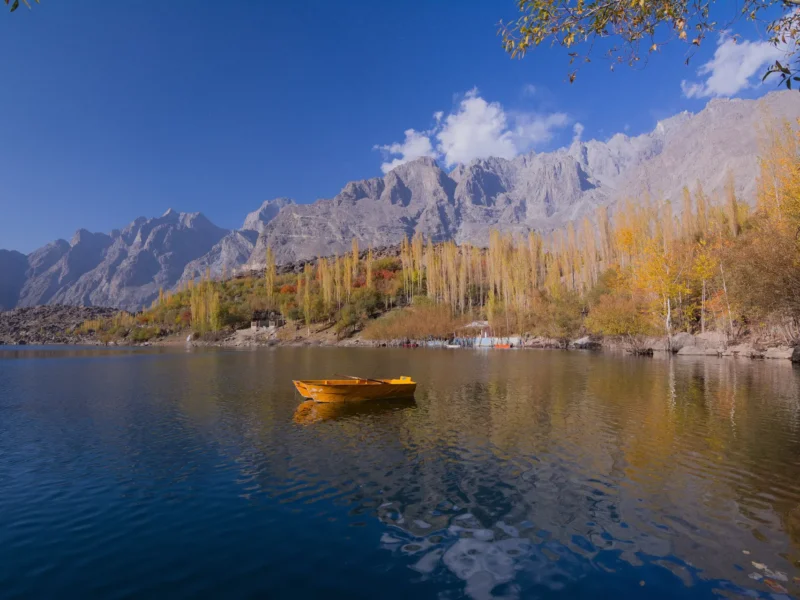
Created in 2010 when a landslide dammed the river. Its colour — from milky jade to deep turquoise — changes with the season. Boat rides, lakeside cafés and resorts line the shore.

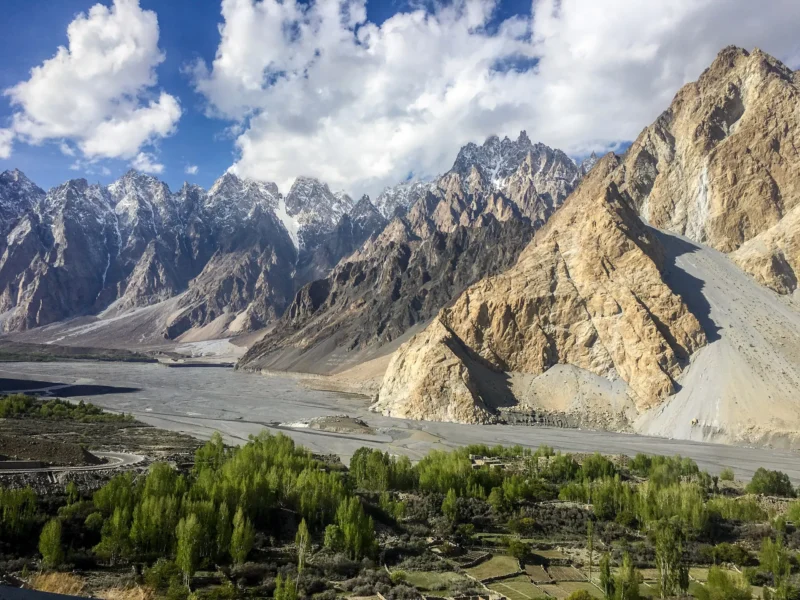
The jagged Passu Cones rising above Gojal in Upper Hunza

Passu Cones & Gojal

The cathedral-like Tupopdan peaks above Passu are Hunza’s most photographed view. Stop at Gulmit and Hussaini on the way; the famous suspension bridge is thrilling but only for steady nerves.

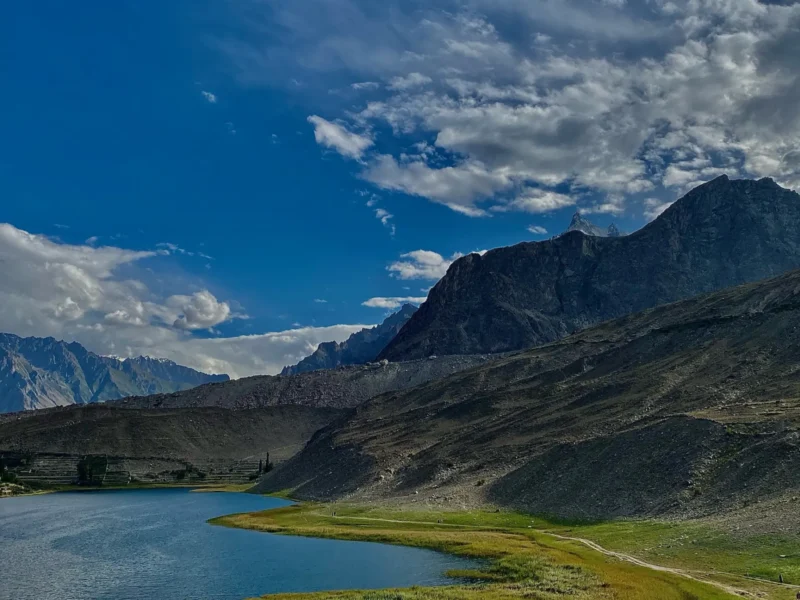
Borith Lake near Hussaini in Upper Hunza

Borith Lake

A small, quiet lake above Hussaini, popular for its stillness and bird life in season. A good short walk away from the busier stops.

Also worth your time

Khunjerab Pass

At 4,693 m, the Pakistan–China border crossing is one of the highest paved border roads in the world, inside Khunjerab National Park. A long but memorable day trip from Hunza when the pass is open.

Eagle’s Nest viewpoint

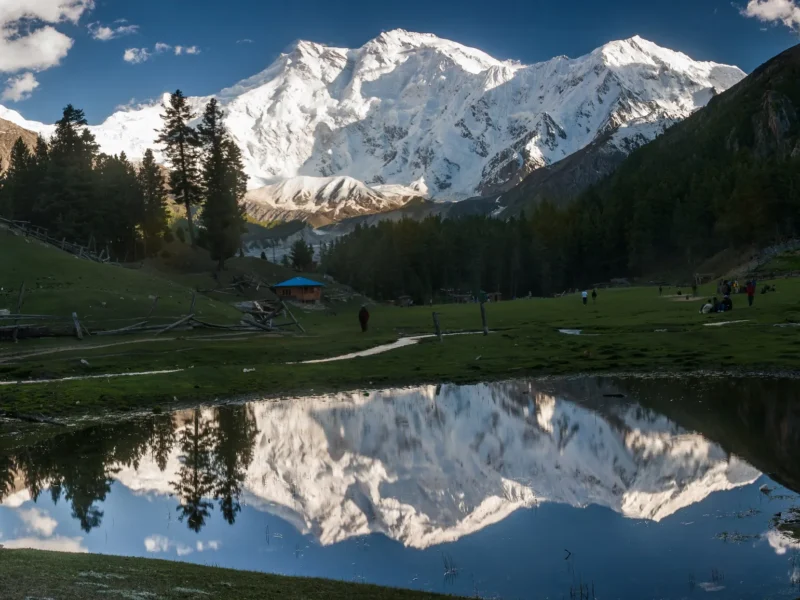
Above Duikar village, a short drive from Karimabad. Sunset and sunrise light up Rakaposhi, Diran, Ultar and Ladyfinger at once — arguably the best viewpoint in the valley.

Rakaposhi viewpoint

On the Karakoram Highway near Ghulmet in Nagar. Rakaposhi rises almost straight up from the road — a classic tea stop on the way in or out.

Hopar & Nagar valley

Across the river from Karimabad, Nagar’s Hopar village overlooks a vast glacier. Quieter than Hunza and worth half a day if you have time.

Things to do

How to spend your days in Hunza

Is it right for you?

Who will love Hunza

First-time visitors to the north: scenery, culture and comfortable hotels with little hiking required.

Families: very suitable once you arrive. The challenge is the long drive, so we split it over two days and plan rest breaks.

Couples and honeymooners: lakeside stays at Attabad and boutique hotels in Karimabad make Hunza a favourite.

Elderly travellers: possible with a slower pace, or by flying to Gilgit when flights are operating.

When to go

Best time to visit Hunza

Hunza is open all year — the Karakoram Highway is a major road — but the experience changes completely with the seasons. Most travellers come between April and October.

SeasonWhat to expectGood for
Spring (Mar–May)Cherry and apricot blossom usually peaks in early to mid-April. Days are mild; nights cool.Blossom photography, fewer crowds
Summer (Jun–Aug)Warm days, everything open, busiest time of year. Babusar Top is usually open, giving the scenic route via Naran.Families, Khunjerab, long days
Autumn (Sep–Oct)Clear skies, golden poplars and apricot trees; colour usually peaks in late October into early November.Photography, couples, comfortable weather
Winter (Nov–Feb)Very cold, many hotels close and Khunjerab is closed to tourists. Frozen lakes and snowy scenery for the well-prepared.Experienced travellers only

Seasonal openings change with snowfall and repairs. We check current road and weather conditions before confirming your dates. Last reviewed: October 2026.

Getting there

Routes, roads and travel time

By road (most common)

Islamabad to Karimabad is roughly 600 km on the Karakoram Highway (N-35). Driving time is usually 14–18 hours, so we split it over two days with a night in Besham or Chilas — more comfortable and safer than one marathon drive.

Summer route via Naran and Babusar Top

When Babusar Pass is open (usually around June to October, depending on snow), the route through the Kaghan Valley is more scenic and lets you add Naran, Lulusar Lake and Babusar Top on the way.

By air to Gilgit

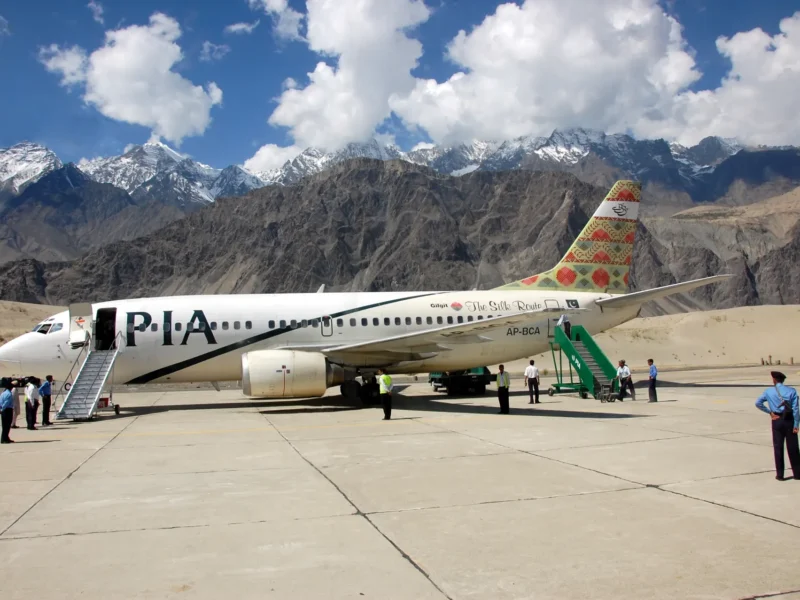
Flights from Islamabad to Gilgit take about an hour, followed by a two- to three-hour drive to Karimabad. They save two long days but are weather-dependent and cancellations are common, so we always keep a road plan B.

Landslides can close sections of the KKH for hours, especially in spring and the monsoon. We build a buffer into longer trips.

Where to stay

Accommodation in Hunza

Karimabad and Aliabad are the most convenient bases, with everything from simple guesthouses to boutique hotels with mountain views. Staying in Karimabad means you can walk to Baltit Fort and the bazaar.

Attabad Lake has resorts and lakeside rooms — lovely for couples and a night of quiet, though slightly further from the forts.

Gulmit and Passu in Upper Hunza are quieter, closer to the Cones and Khunjerab, and good for a second base on longer trips.

In June–August and Eid holidays, the best rooms book out early. Tell us your dates and comfort level and we will suggest specific options.

Sample itinerary

A comfortable 6-day Hunza trip

One way to plan Hunza from Islamabad by road, without exhausting days.

Day 1 · Islamabad to Chilas or Besham

Early start up the Karakoram Highway — or, in summer, through Naran and over Babusar Top.

Day 2 · On to Hunza

Rakaposhi viewpoint and the meeting of three mountain ranges near Jaglot. Arrive in Karimabad by mid-afternoon.

Day 3 · Karimabad

Baltit Fort, Altit Fort and the royal garden, the bazaar, and sunset at Eagle’s Nest.

Day 4 · Upper Hunza and Khunjerab

Attabad Lake, Passu Cones and Sost on the way to the Khunjerab border (in season). Overnight at Attabad or back in Karimabad.

Day 5 · Slow morning, start back

Borith Lake or a lakeside breakfast, then drive to Chilas or Besham.

Day 6 · Return to Islamabad

Arrive by evening.

Make it yours

Add Skardu for a 9–11 day Gilgit-Baltistan loop, add Nagar and Hopar, or fly one way to save a day. With young children we usually suggest an extra night so no single drive is too long.

Sample itineraries from our trips

Practical advice

Travel tips for Hunza

  • Carry cash. ATMs exist in Aliabad and Karimabad but can run dry or go offline; card acceptance is limited.
  • Mobile signal is good in most of Hunza on SCOM and patchier on other networks. Expect slower data in Upper Hunza.
  • Dress modestly and ask before photographing people, especially women. Hunza is welcoming and conservative in equal measure.
  • Khunjerab: carry your CNIC or passport, and expect an entry fee for Khunjerab National Park. It gets cold at the top even in summer.
  • Altitude: Karimabad is about 2,500 m, which most people barely notice. Khunjerab is much higher — keep the visit short, walk slowly and drink water.
  • Food: try local dishes, but drink bottled or filtered water and go gently with very rich food on your first day.
  • Respect the river and the bridges. Hussaini bridge has missing planks; it is optional, not a must.

Questions

Hunza FAQs

Still unsure? Ask us on WhatsApp or call 0336 6703435.

From Islamabad by road, plan at least 5 days and ideally 6–7. That allows two days of driving each way plus two or three days in the valley. Flying to Gilgit can save two days if flights operate.

Yes, the Karakoram Highway stays open, but it is very cold, many hotels close and Khunjerab Pass is closed to tourists. Winter trips suit experienced travellers who want snow and quiet.

Very. The main sights need little walking and the hotels are comfortable. The only hard part is the journey, which we break into manageable days.

It usually opens in spring and closes for winter around the end of November, but dates are set by the authorities each year and can change with snow. We confirm before your trip.

Yes — it is one of the best trips in Pakistan. Allow 9–12 days by road, or fewer if you fly one way.

Both are superb. Hunza is easier, greener and more about culture and viewpoints; Skardu feels wilder, with bigger landscapes, lakes and Deosai. Read our Hunza vs Skardu comparison.

Keep exploring

Pairs well with Hunza

Guides for planning Hunza

Northern Pakistan Travel Guides

Hunza vs Skardu: Which Should You Visit First?

Two of Pakistan’s most beautiful regions, two very different trips. Compare scenery, travel time, hotels, family-friendliness and cost factors — and decide…

3 min read

Plan Hunza your way

Ready for Hunza, your way?

Tell us your dates and who is travelling. We will suggest the right route, hotels and pace — and quote it clearly.

WhatsApp us